
Be aware of aggression in young children; don't just dismiss it as mischief
Riris
8/30/20242 min read
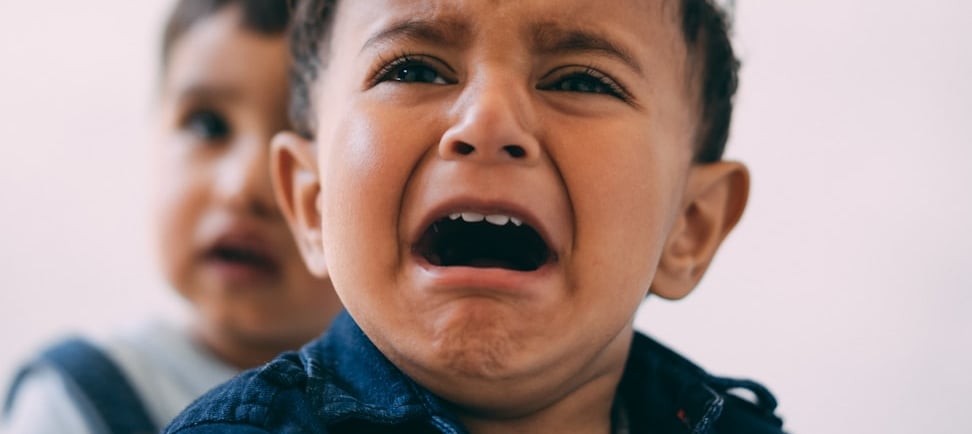
Young children often exhibit behaviors such as hitting, screaming, pinching, or even throwing things when angry. Many parents consider this to be part of their development, but be careful, as this could be a sign of aggression that needs to be addressed seriously.
Aggression is not just a tantrum. It is a form of emotional outburst that has not been properly managed. If left unchecked, aggression can have a negative impact on a child's social skills, disrupt their emotional development, and even trigger behavioral disorders in adulthood.
Why children can be aggressive?
The aggressiveness of young children is influenced by many factors, both internal and external. Internally, children aged 0–6 years are not yet able to fully regulate their emotions. They find it difficult to express what they are feeling. When their desires are not fulfilled, or when they feel upset, they tend to express it in “harsh” ways such as shouting or hitting.
However, environmental factors also have a significant influence. Parenting styles that are too strict (authoritarian) or too lax (permissive) can confuse children about what behaviors are acceptable and what are not. The same goes for media exposure, such as violent images that children unconsciously imitate because they consider them normal. Stressful socioeconomic conditions, a conflict-ridden home environment, or a lack of emotional attention can also be triggers.
What are the consequences if left untreated?
Repeated aggressive behavior can make it difficult for children to build relationships with their peers. Children can grow up to be impulsive, short-tempered, unable to empathize, and even display antisocial tendencies. This not only affects them as children, but can also carry over into adolescence and adulthood.
What can be done?
Aggression can be prevented and reduced if it is recognized early and handled with the right approach.
Some methods that can be applied include:
a) Storytelling: Children are encouraged to understand emotions and good behavior through simple stories.
b) Reinforcement: Praise or reward children when they exhibit positive behavior.
c) Role play: Training children to recognize social situations and how to solve problems without violence.
d) Behavioral therapy: For more severe cases, this approach is carried out with intensive analysis and guidance.
e) Token economy: A reward system in the form of stars or points that can be exchanged for something the child likes, as motivation for good behavior.
Equally important, all interventions must be carried out consistently and involve parents, teachers, and the surrounding community. Children need guidance, not just scolding.
Children are not naughty, they just can't express their emotions yet
Young children are not yet able to fully understand or control their emotions. When they exhibit aggressive behavior, they are actually trying to communicate that something is wrong, but they don't know how to express it.
Rather than being scolded or labeled as “naughty,” children need to be talked to, hugged, and guided so that they know better ways to express what they are feeling.
With an empathetic approach and a supportive environment, aggression in children can be reduced, and they can grow into calmer, more open, and emotionally healthy individuals.
Source:
Kristiani, L. P., & Suwarjo. (2020). Pengaruh empati dan regulasi emosi terhadap agresivitas anak usia dini. Jurnal Psikologi, 47(2), 112–120.
Akbar, F., Mualifah, A., & Purwadi. (2021). Faktor-faktor penyebab agresivitas pada anak usia dini. Dirasah: Jurnal Studi Ilmu dan Manajemen Pendidikan Islam, 4(1), 33–44.
Marini, D. A., Sholihah, M., & Nusir, A. (2022). Hubungan pola asuh permisif dengan perilaku agresif pada anak usia dini. Jurnal Pendidikan dan Perkembangan Anak, 3(1), 20-29.
Fitria, N., & Meiyuntariningsih, T. (2019). Pengaruh token ekonomi untuk mengurangi agresivitas pada anak. Seminar Nasional Multidisiplin, UNWAHA Jombang.
Hanifah, S., & Rakimahwati, N. (2021). Pengaruh tayangan media terhadap perilaku agresif anak usia dini. Jurnal Ilmiah Media Anak, 5(1), 33–47.
Garwita Institute
Accepting yourself is the beginning of a complete journey. From acceptance, light is born to look forward to tomorrow.
CONTACT
Email:
adm.garwita@gmail.com
Whatsapp Number:
+62878-5743-4081
(Garwita Admin)
© 2024 Garwita Institute. All rights reserved.
Addres:
Jalan Kertabumi VI nomor 20, Talangsari, Jember, Jawa Timur.
Office Hours:
Monday - Friday (08.00 - 17.00)
Saturday & Sunday: DAY OFF